Perusahaan Manufaktur Kabinet Switchgear Tegangan Tinggi & Tegangan Rendah. lebih dari 17 tahun pengalaman desain dan RD.


-
Tinggalkan pesan : qiuwenjie@gaoboele.com
-
Telepon : +86 -17329948916

Tinggalkan pesan : qiuwenjie@gaoboele.com
Telepon : +86 -17329948916

Kecerdasan buatan tidak hanya mengubah industri teknologi, tetapi juga cara perencanaan infrastruktur listrik skala besar. Seiring dengan perluasan pusat data hiperskala dan kampus komputasi AI, permintaan daya di masing-masing lokasi mencapai tingkat yang dulunya terutama terkait dengan industri berat, kompleks manufaktur besar, dan beban utilitas utama.
Tren ini menciptakan permintaan baru untuk gardu induk tegangan tinggi, peralatan sakelar tegangan menengah, sistem distribusi tegangan rendahtransformator, sistem proteksi, dan peralatan manajemen daya cerdas..
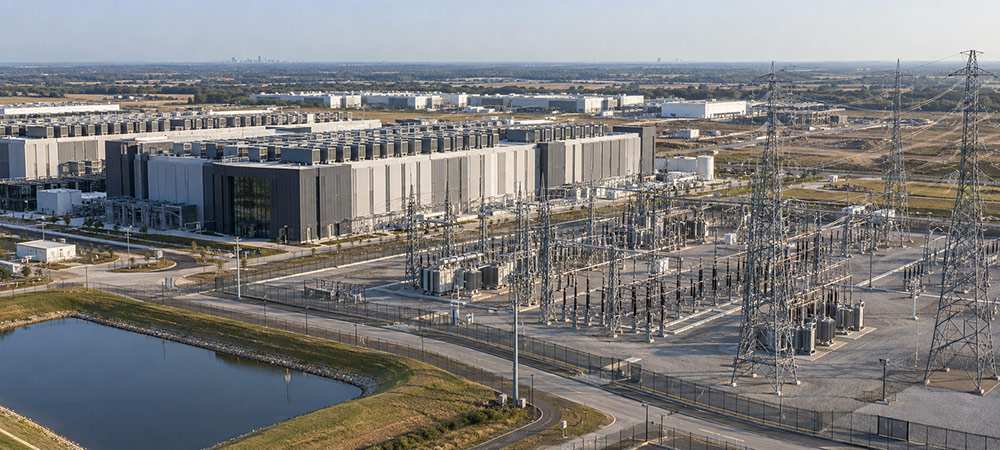
Untuk PRODUSEN PERANGKAT SAKLAR GAOBOPertumbuhan pesat infrastruktur AI menghadirkan peluang baru untuk mendukung pengembang pusat data, kontraktor EPC, perusahaan utilitas, dan integrator sistem kelistrikan dengan solusi switchgear dan distribusi daya yang disesuaikan.
Badan Energi Internasional memperkirakan bahwa konsumsi listrik pusat data global akan meningkat hampir dua kali lipat dari sekitar 485 TWh pada tahun 2025 menjadi sekitar 950 TWh pada tahun 2030. Pusat data yang berfokus pada AI diperkirakan akan tumbuh lebih cepat lagi, dengan konsumsi listriknya berpotensi meningkat tiga kali lipat dalam periode yang sama.
Peningkatan ini didorong oleh server AI canggih, kepadatan komputasi yang lebih tinggi, sistem pendingin, peralatan penyimpanan, infrastruktur jaringan, dan sistem kelistrikan pendukung.
Kepadatan daya server AI juga meningkat pesat. Menurut IEA, kepadatan daya meningkat secara signifikan antara tahun 2020 dan 2025 dan diperkirakan akan terus meningkat hingga tahun 2027.
Bagi para insinyur listrik, ini berarti bahwa sistem distribusi daya harus mampu menangani beban yang lebih besar dalam ruang yang lebih kecil sambil tetap mempertahankan keandalan yang sangat tinggi.
Pusat data tradisional dapat menerima daya melalui sambungan utilitas tegangan menengah atau tegangan tinggi. Namun, kampus AI terbesar dapat membutuhkan kapasitas ratusan megawatt atau bahkan gigawatt.
Pada tingkat daya seperti ini, pengembang mungkin memerlukan gardu induk tegangan tinggi khusus dan koneksi langsung ke jaringan transmisi regional.
Tergantung pada negara dan struktur jaringan listrik, kampus-kampus besar mungkin mempertimbangkan tegangan transmisi seperti:
Tingkat tegangan yang tepat bergantung pada standar perusahaan utilitas, lokasi situs, ukuran beban, ketersediaan transmisi, strategi redundansi, dan perluasan di masa mendatang.
Tren utamanya jelas: kampus AI besar semakin mendekati infrastruktur listrik tingkat transmisi daripada hanya mengandalkan jaringan distribusi konvensional.
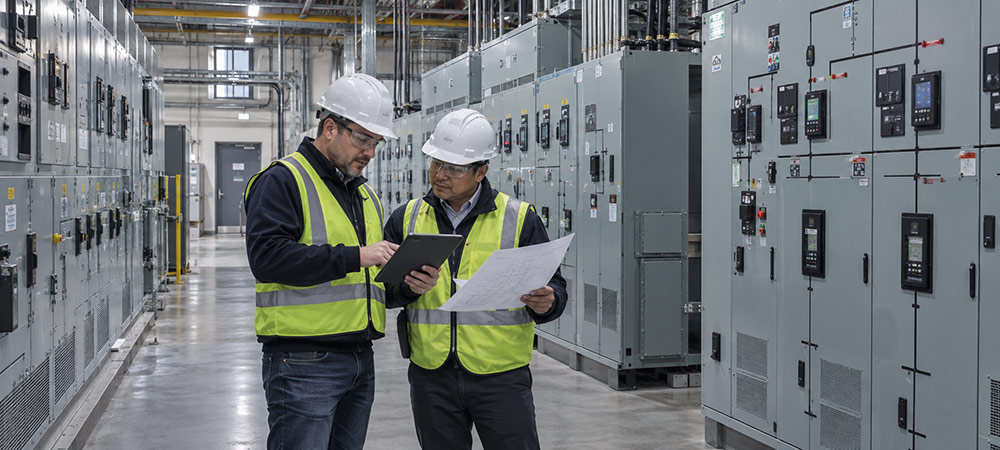
Kampus AI modern mungkin memerlukan banyak gardu induk, transformator, rangkaian peralatan sakelar, sistem daya cadangan, dan platform pemantauan cerdas.
Infrastruktur listrik tipikal dapat mencakup:
Keandalan gardu induk sangat penting karena pusat data AI membutuhkan daya listrik yang berkel持续.
Kerusakan listrik besar dapat memengaruhi ribuan server dan sejumlah besar kapasitas komputasi.
Oleh karena itu, redundansi, proteksi selektif, isolasi kesalahan, dan pemantauan preventif menjadi persyaratan desain inti.
Perkembangan pesat infrastruktur AI juga menciptakan tekanan pada jaringan transmisi.
IEA mencatat bahwa pusat data seringkali dapat dikembangkan dalam waktu dua hingga tiga tahun, sementara infrastruktur jaringan listrik utama dan peralatan energi dapat memerlukan periode perencanaan dan konstruksi yang jauh lebih lama.
Pasokan transformator, persetujuan sambungan jaringan, kapasitas transmisi, dan ketersediaan pembangkitan menjadi kendala utama.
Pada tahun 2026, hambatan-hambatan ini tetap signifikan. IEA melaporkan bahwa ekspansi pusat data yang pesat memberikan tekanan yang semakin besar pada transformator dan peralatan sistem daya utama lainnya.
Akibatnya, para pengembang mulai mengevaluasi infrastruktur listrik lebih awal dalam proses pemilihan lokasi.
Akses terhadap kapasitas transmisi mungkin akan menjadi sama pentingnya dengan akses terhadap lahan, jaringan serat optik, dan air.
Kampus-kampus AI tidak dapat hanya mengandalkan peralatan sakelar dan proteksi tradisional.
Peralatan sakelar modern semakin mengintegrasikan:
Fungsi-fungsi ini memungkinkan operator untuk mengidentifikasi kondisi abnormal sebelum berkembang menjadi kegagalan besar.
Untuk kampus yang besar, pemantauan terpusat juga dapat membantu para insinyur mengelola daya di berbagai gardu induk dan ruang distribusi.
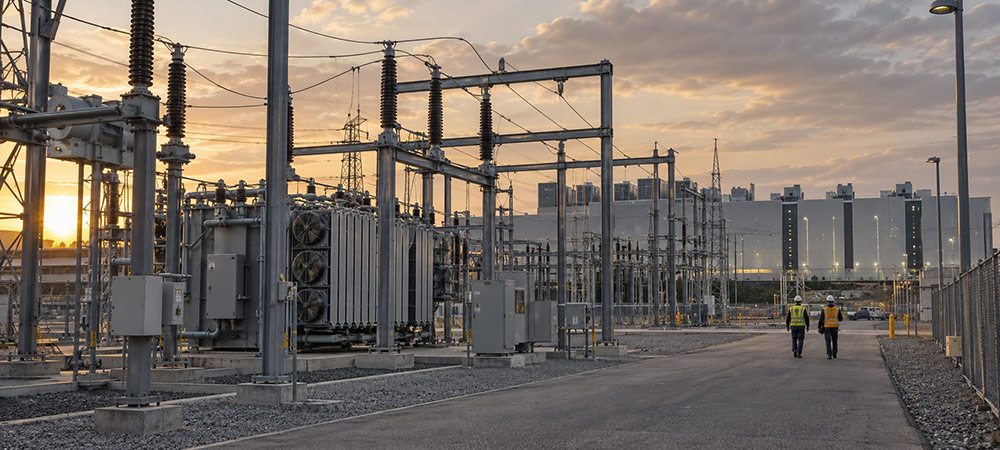
Bahkan ketika sambungan jaringan utama mencapai 220kV atau lebih tinggi, daya tetap perlu diturunkan dan didistribusikan ke seluruh kampus.
Sistem tegangan menengah seperti 10kV, 12kV, 24kV, atau 35kV dapat mendistribusikan listrik antara gardu induk, ruang data, instalasi pendingin, sistem baterai, dan fasilitas pendukung.
Hal ini menciptakan permintaan untuk produk-produk seperti:
Jaringan distribusi tegangan menengah menjadi jembatan antara daya tingkat transmisi dan beban tegangan rendah akhir.
PRODUSEN PERANGKAT SAKLAR GAOBO menyediakan peralatan distribusi daya tegangan tinggi, tegangan menengah, dan tegangan rendah yang disesuaikan untuk proyek industri dan infrastruktur.
Untuk aplikasi pusat data, GAOBO dapat mendukung:
Dimensi kabinet, peringkat busbar, merek pemutus sirkuit, relai proteksi, fungsi pemantauan, sistem komunikasi, dan tata letak listrik dapat disesuaikan sesuai dengan kebutuhan proyek.
Bagi kontraktor EPC dan pemilik proyek internasional, komunikasi teknik langsung dari pabrik dapat membantu meningkatkan koordinasi antara desain, produksi, pengujian, dan pengiriman.
AI mengubah persyaratan infrastruktur listrik untuk pusat data.
Permintaan listrik global diperkirakan akan terus tumbuh pesat hingga tahun 2030, dengan pusat data menjadi salah satu sumber permintaan baru yang paling penting di negara-negara maju.
Seiring dengan semakin besarnya kampus AI, semakin banyak proyek yang kemungkinan akan membutuhkan gardu induk tegangan tinggi khusus, koneksi transmisi yang lebih kuat, dan sistem distribusi daya yang lebih canggih.
Pusat data masa depan tidak hanya akan ditentukan oleh kinerja komputasi. Ia juga akan bergantung pada kekuatan, fleksibilitas, dan kecerdasan infrastruktur listriknya.
Untuk PRODUSEN PERANGKAT SAKLAR GAOBOHal ini menciptakan peluang baru untuk menyediakan peralatan sakelar yang andal, kabinet listrik yang disesuaikan, dan solusi distribusi daya cerdas untuk proyek AI dan pusat data generasi berikutnya.
Kampus AI berskala besar dapat mengonsumsi ratusan megawatt listrik. Gardu induk tegangan tinggi memungkinkan fasilitas ini terhubung lebih efisien ke jaringan transmisi utilitas dan mendistribusikan sejumlah besar daya melalui transformator dan sistem tegangan menengah di hilir.
Tidak. Tegangan yang dibutuhkan bergantung pada total permintaan daya, standar utilitas, lokasi situs, persyaratan redundansi, dan infrastruktur jaringan yang tersedia. Fasilitas yang lebih kecil mungkin menggunakan koneksi tegangan yang lebih rendah, sementara kampus yang sangat besar mungkin memerlukan koneksi kelas 220kV atau bahkan tingkat transmisi yang lebih tinggi.
Pusat data AI dapat menggunakan switchgear tegangan tinggi, switchgear metal-clad tegangan menengah, switchboard tegangan rendah, kabinet ATS, sistem distribusi UPS, kabinet daya DC, dan peralatan pemantauan cerdas.
Peralatan komputasi AI membutuhkan listrik terus-menerus. Transformator, saluran distribusi, bagian sakelar, daya cadangan, dan sistem transfer yang redundan memungkinkan beban penting untuk terus beroperasi ketika sebagian dari sistem listrik tidak tersedia.
Ya. PRODUSEN PERANGKAT SAKLAR GAOBO Dapat menyesuaikan dimensi kabinet, arus nominal, kapasitas busbar, merek pemutus sirkuit, relai proteksi, fungsi komunikasi, sistem pemantauan, dan logika kontrol sesuai dengan gambar proyek dan spesifikasi teknis.